 Ambulix
Energy Expenditure Variations Across Walking Speeds and Terrains
Understanding Walking Biomechanics and Energy Cost
The energy cost of walking is not constant but varies substantially based on walking speed, terrain characteristics, and elevation changes. Understanding these variations provides insight into how different walking patterns and environmental factors influence metabolic demands.
Walking Speed Effects on Energy Cost
The relationship between walking speed and energy expenditure is non-linear. The energy cost per unit distance (cost per meter or kilometer) varies with speed:
- Very slow walking (1-2 mph): Biomechanically inefficient due to inefficient stride mechanics. Relative energy cost per unit distance is high.
- Slow to moderate walking (2-3 mph): More biomechanically efficient. Energy cost per unit distance decreases.
- Moderate walking (3-4 mph): Peak efficiency for many individuals. Optimal energy cost per unit distance.
- Brisk walking (4-5 mph): Energy cost per unit distance begins to increase. Total energy expenditure increases despite maintained or reduced distance.
- Very rapid walking/jogging transition (5+ mph): Substantially increased energy demands as locomotion approaches jogging mechanics.
Absolute vs. Relative Energy Expenditure
It is important to distinguish between:
- Absolute energy cost: Total energy expended during walking (measured in kcal or joules). This increases with walking speed.
- Relative energy cost: Energy expended per unit distance (e.g., kcal per kilometer). This follows a U-shaped curve with speed.
Terrain Effects on Walking Energy Cost
Different terrain types substantially influence the energy required for walking:
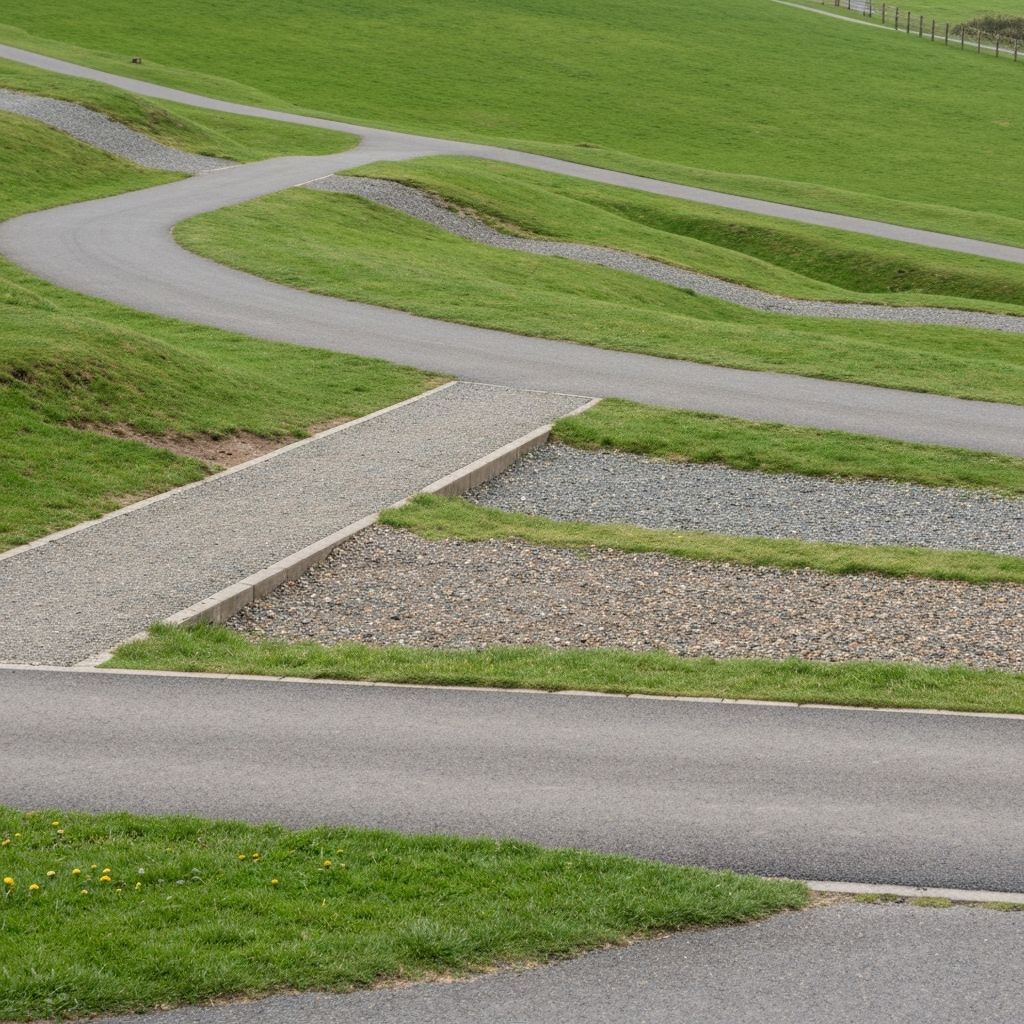
- Firm, flat surfaces (pavement, smooth paths): Lowest energy cost. Ground reaction forces are predictable and efficient.
- Grass or gravel: Moderate increase in energy cost. Lower ground compliance requires greater muscular stabilization.
- Sand or soft surfaces: Substantially increased energy cost (up to 1.5x that of firm surfaces). Ground deformation requires additional work.
- Uneven terrain (trails, rough ground): Increased energy cost due to need for dynamic balance and stabilization. Footfall variability increases metabolic demands.
- Obstacles or technical terrain: Further increases in energy expenditure due to stepping over or around obstacles.
Incline and Decline Effects
Elevation changes dramatically influence walking energy expenditure:
- Uphill walking: Energy cost increases approximately linearly with incline grade. Steep inclines dramatically increase muscular demands.
- Flat terrain: Baseline energy cost for given speed.
- Downhill walking: Energy cost decreases compared to flat. However, eccentric loading on lower limb muscles increases. Recovery demands and tissue stress may be elevated.
Individual Differences in Energy Cost
The actual energy cost of walking at a given speed varies between individuals based on:
- Body mass (heavier individuals typically expend more energy)
- Body composition and muscle mass
- Baseline fitness level and aerobic capacity
- Gait efficiency and biomechanical patterns
- Age and neuromuscular factors
- Metabolic efficiency (varies genetically)
Biomechanical Efficiency
Individuals with more efficient gait patterns expend less energy at a given speed. This efficiency is influenced by neuromuscular coordination, joint mechanics, and practice. With repeated walking, some individuals may develop more efficient patterns, though baseline efficiency is partly determined by genetic and developmental factors.